- Monday - Friday 10:00am - 6:00pm
- Saturday and Sunday - CLOSED
Amri Hospital, Khandagiri,
Bhubaneswar, Shankarpur, Odisha 751019
What is Bursitis? Symptoms, Treatment
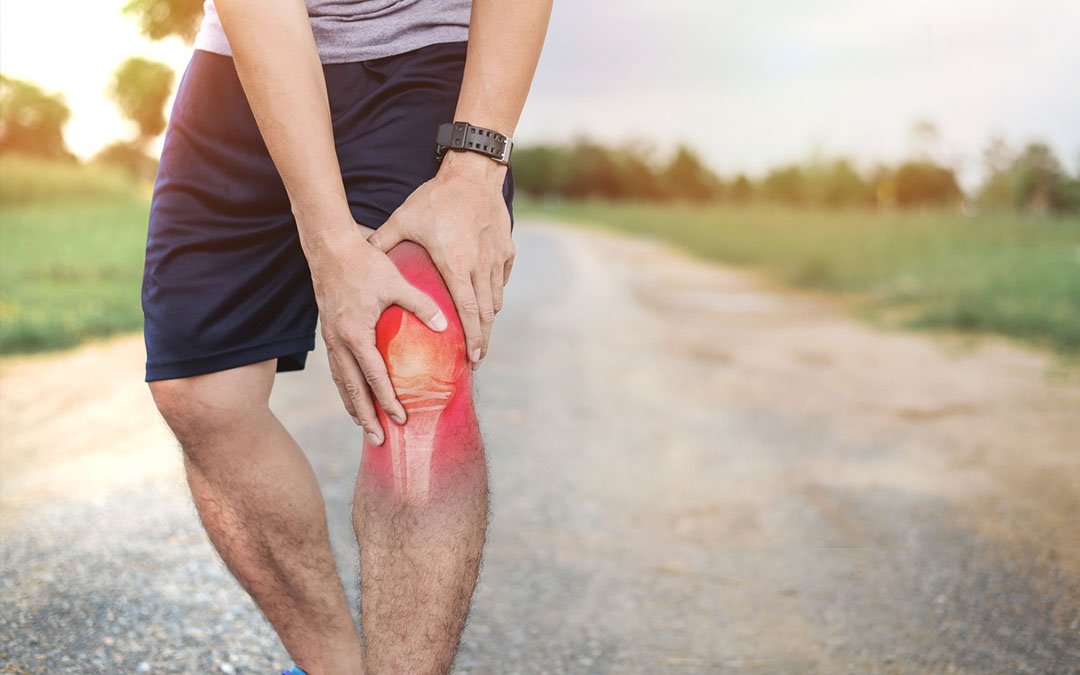
What is Bursitis? Symptoms, Treatment
When it comes to musculoskeletal health, a variety of illnesses can disrupt daily life and impede mobility, often manifesting as discomfort or pain in specific areas of the body. Among them, bursitis turns out to be a common but often misunderstood condition that affects people of all ages and activity levels. Considering the subtle symptoms and potential impact on quality of life, understanding bursitis is paramount for effective treatment and relief. This article explores the complexity of bursitis, covering its causes, symptoms, diagnostic methods, and treatment options, providing readers with comprehensive insight into the treatment of this common but often overlooked condition. Masu. Let's start with the basics.
What is bursitis?
Bursitis is a disease characterized by inflammation of the bursa. These are small fluid-filled sacs located near joints. These sacs act as cushions between bones, tendons, and muscles, reducing friction and allowing smooth movement of joints. Bursitis can occur when the bursa becomes inflamed, usually due to repetitive motion, injury, or prolonged pressure on an area. Bursitis can occur in different parts of the body, including the shoulders, elbows, hips, knees, and heels, and can be acute (sudden onset) or chronic, depending on the underlying cause and duration of the inflammation. (long lasting).
What are the symptoms of bursitis?
Symptoms of bursitis vary depending on the location and severity of the disease. However, the most common symptoms of bursitis include:
Pain: Pain is the main symptom of bursitis and usually occurs in the affected area. The pain is dull, aching, or stabbing and may worsen with movement or pressure on the affected joint.
Swelling: Bursitis often causes inflammation of the bursa, resulting in localized swelling around the affected joint. Swelling may be accompanied by redness and warmth in the area.
Tenderness: The affected area may feel tender and pressure on the bursa may cause pain and discomfort.
Decreased range of motion: Bursitis limits the normal range of motion of the affected joint, making it difficult and painful to move the joint fully.
Stiffness: Bursitis can cause stiffness in the affected joints, especially after a period of inactivity or long periods of rest.
Warmth and redness: In some cases, the affected skin may feel warm and may become red or irritated.
How is bursitis treated?
Treatment for bursitis typically focuses on relieving symptoms, reducing inflammation, and treating the underlying cause of the condition. Depending on the severity and location of the bursitis, treatment options include:
Rest and activity modification: Avoiding activities that worsen symptoms and giving the affected joints adequate rest will reduce inflammation and promote healing. Modify your activity to minimize repetitive movements and pressure on the affected area.
Ice therapy: Applying an ice pack to the affected joint for 15 to 20 minutes several times a day can reduce pain and inflammation. Be sure to wrap the ice pack in a towel or cloth to protect your skin.
Painkillers: Over-the-counter nonsteroidal anti-inflammatory drugs (NSAIDs), such as ibuprofen (Advil, Motrin) and naproxen (Aleve), can help reduce the pain and inflammation associated with bursitis. Please follow the dosage instructions and consult your doctor if you have any concerns or complaints.
Physical therapy: A physical therapist can perform exercises and stretches to improve flexibility, strength, and range of motion in the affected joint. Physical therapy may also include techniques such as ultrasound and massage to reduce inflammation and promote healing.